
Most widely cited AI coding benchmarks, including the original SWE-bench, were built primarily around Python repositories, meaning headline performance results may not accurately predict how coding agents perform in large enterprise Java and JVM
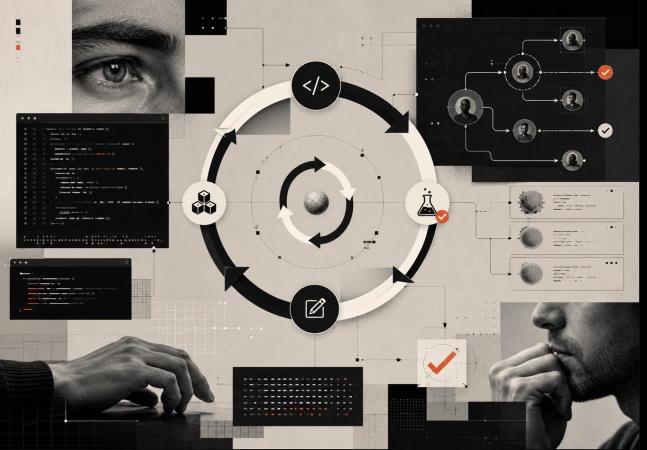
Loop engineering, a new phrase circulating among AI developers, is becoming a way to describe how software teams are trying to get more value from coding agents: not by writing better one-off prompts, but by designing repeatable cycles that let agents build, test, revise, and continue working with less direct human intervention.

Anthropic’s Claude models are now generally available in Microsoft Foundry, giving Azure developers and enterprise application teams another major frontier model option inside Microsoft’s cloud AI development platform.

Gradle has released Gradle 9.6, adding improvements aimed at faster build performance, cleaner automation, and earlier preparation for changes planned in Gradle 10.

Open-source Java projects advance Jakarta EE compatibility, persistence capabilities, and developer tooling as enterprise teams prepare for the next generation of Java applications.
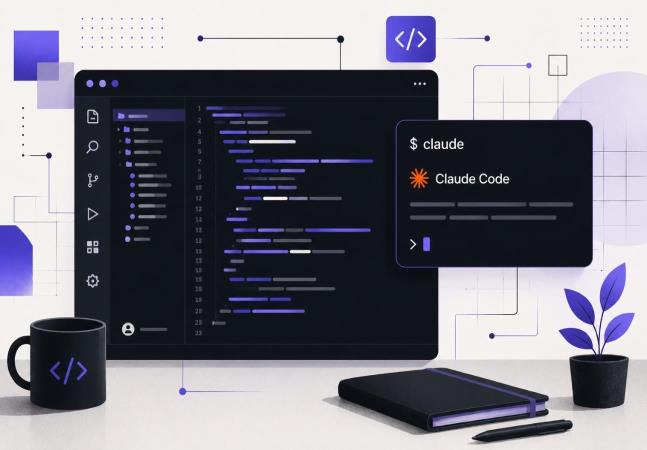
The release includes an embedded MCP server that exposes Spring project analytics to AI coding assistants, along with first-class support for Spring AI and automated property refactoring.

The update adds Java 26 support for Kotlin/JVM, enables incremental compilation by default for Kotlin/Wasm, and expands Kotlin's ability to target modern web and native platforms.

The Java Community Process formally launches development of Java SE 28, with Project Valhalla once again positioned as the release's most closely watched feature.

Nine Java Enhancement Proposals make the final cut as OpenJDK shifts from feature development to bug fixing ahead of a September release.

The Eclipse Foundation has released Eclipse IDE 2026-06, the second quarterly simultaneous release of the Eclipse IDE platform this year, with support for Java 26 and updates across the Java platform, Git, plug-in development, and modeling ecosystems.

Azul has released Payara Server 7 and Payara Micro 7, making the company one of the first commercial vendors to offer a Jakarta EE 11-certified runtime for enterprise Java applications.
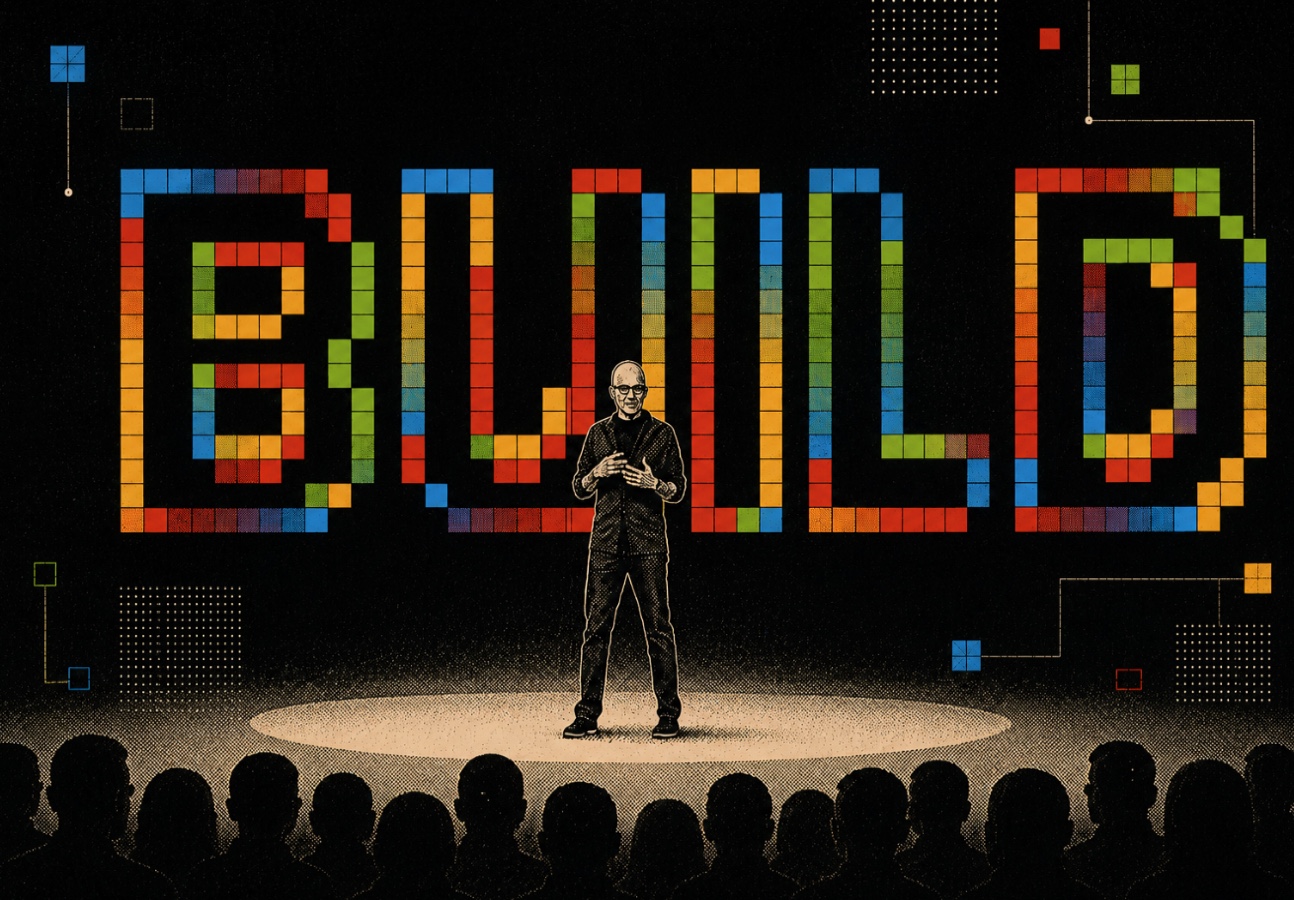
Microsoft used its Build 2026 developer conference to outline a vision for Windows as a platform for agentic applications, signaling a shift from AI-assisted software to software that can act autonomously.
Enterprise Java development teams are shifting engineering focus toward the stabilization and regression testing of the next Critical Patch Update (CPU) cycle for long-term support runtimes, including Java 25.
The Java Development Kit (JDK) will stop trusting Transport Layer Security (TLS) server certificates anchored by legacy Chunghwa Telecom Co., Ltd. root certificates if they were issued after March 17, 2026.

Hazelcast has officially released Hazelcast Platform 5.7.0, an update that introduces production-grade support for the Java 25 runtime environment. The release, launched on May 28, 2026, aims to strengthen the operational foundations of enterprise systems that rely on real-time processing.

A new study has found that coding agents were used in an estimated range of 22.20% to 28.66% of 128,018 GitHub projects.

Agreement expands use of Java technologies in Samsung Electronics’ global semiconductor software environment.
The Quarkus project has released Quarkus 3.35, adding features intended to reduce Java application size, improve native-build performance, and expand ahead-of-time compilation options for cloud-native Java workloads.

Oracle NetSuite has introduced a set of AI-oriented development resources for SuiteCloud, its extensibility and customization platform, as enterprise software vendors continue to embed coding assistance into developer workflows.