The database giant rolls along by adding Internet technologies to its database, tools and application software; turns to Java, XML and other open technologies to help IT join the i wave.
Data warehouse projects can falter from lack of meta data; Microsoft may have gained a lead in defining a standard.
In the real-time enterprise these days, it is process, process, process.
IT needs tools that can bridge legacy mainframe and distributed systems. Will the next generation do the trick?

First, it was good but slow. Now, it is good to go.
IBM's component architecture has been all over the map. The view, however, seems to be improving.
They've been seeking definition; now, app servers are poised as today's e-business platform choice.
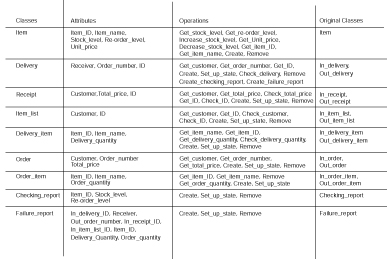
This article proposes an object-oriented analysis (OOA) technique based on the Unified Modeling Language (UML).
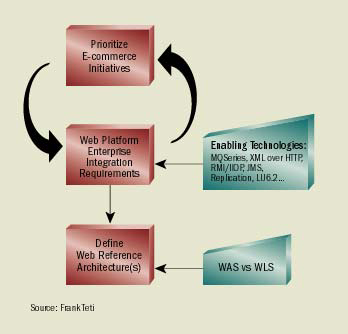
As Fortune 1000 companies continue to overcome technology hurdles in their quest to Webify their legacy back ends, Java 2 Enterprise Edition is emerging as the architecture best suited for legacy integration via the Internet.
GNOME and KDE—two feature-rich and mature desktop environments—are vying for the hearts and minds of Linux users.
Are we on the cusp of achieving the dream of commonplace, standardized component reuse? With a modeling language and process in place, that goal is closer than ever before, but there is still much left to do.
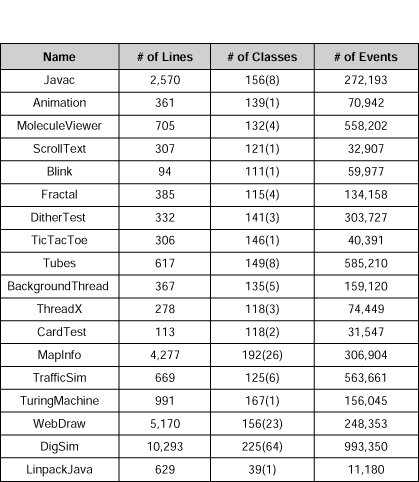
The authors propose a runtime profiler based on control patterns and demonstrate that all runtime traces can be represented by these patterns.